



While the Barclaycard Premium Plus Business Credit Card offers a range of attractive features on paper, its real value emerges when companies integrate it strategically into their financial operations. Many UK businesses initially adopt a corporate credit card simply to cover travel or minor purchases, yet over time it becomes a structured component of working capital management.
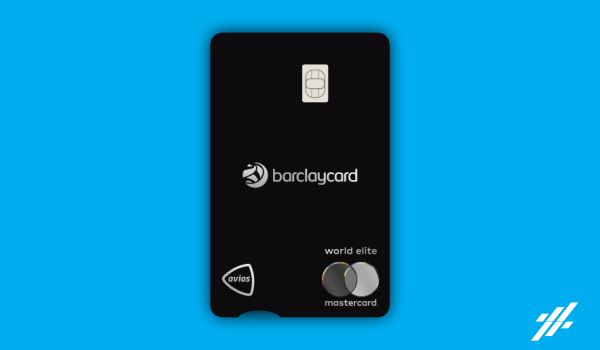
Understanding how to use the card efficiently can reduce financing pressure, simplify accounting processes, and even unlock operational advantages that are often overlooked.
Step-by-Step Guide to Using the Card Efficiently
1. Establish Clear Internal Spending Policies
Before distributing employee cards, businesses should create clear spending policies. Finance departments often define:
- Maximum transaction limits per employee
- Approved spending categories (travel, supplies, software subscriptions)
- Required documentation for expense claims
- Monthly spending thresholds
Companies that skip this step frequently encounter messy reconciliation later. Establishing rules early keeps reporting organised and prevents misuse.
2. Integrate Card Statements with Accounting Software
Modern accounting systems such as Xero, Sage, and QuickBooks allow automatic import of card transactions. This integration reduces manual data entry and ensures each expense is properly categorised.
For example, recurring digital services like hosting platforms, SaaS subscriptions, or marketing tools can be automatically tagged under operating expenses.
3. Time Major Purchases Strategically
Business credit cards operate on billing cycles. If a purchase is made just after a new cycle begins, the business may have close to 50 days before payment is due.
This timing advantage can be useful for:
- Purchasing inventory before peak sales periods
- Funding marketing campaigns before revenue arrives
- Covering travel for conferences or trade shows
4. Use Employee Cards for Departmental Visibility
Employee cards are not just a convenience feature; they also create transparency.
Each card can be assigned to a department such as:
- Sales
- Marketing
- Operations
- Procurement
5. Monitor Credit Utilisation Carefully
Even though business credit cards provide flexible limits, consistently using more than 70–80 percent of the available credit can signal financial stress.
Healthy utilisation ratios help maintain good relationships with lenders and may increase the chances of receiving future credit limit expansions.
Lesser-Known Optimisation Strategies
Experienced finance managers sometimes apply small but effective tactics to extract additional value from business credit cards.
One approach involves routing predictable recurring expenses through the card. Monthly software subscriptions, domain renewals, cloud storage services, and digital advertising platforms can accumulate substantial spending volume over time.
This approach has two benefits:
- It consolidates expenses into one trackable stream.
- It allows businesses to earn more rewards or cashback on operational spending.
Another overlooked tactic involves supplier negotiations. Some suppliers offer early-payment discounts of two to three percent if invoices are paid immediately. By paying with a credit card and settling the balance later, companies can capture the discount while preserving liquidity.
Not every supplier accepts card payments, but where they do, the financial benefit can exceed the card’s annual fee.
Common Mistakes Businesses Should Avoid
Even a well-designed credit product can become inefficient if misused.
Several patterns appear frequently among businesses that struggle with corporate credit cards:
Carrying large balances long term
Business cards generally have higher interest rates than traditional loans. When balances roll over month after month, financing costs accumulate quickly.
Lack of receipt tracking
Missing receipts create accounting confusion and potential tax reporting issues. Many companies now require employees to upload digital copies immediately after each purchase.
Too many payment methods
If some expenses go through bank transfers, others through debit cards, and others through credit cards, financial visibility becomes fragmented. Consolidating routine spending through a business credit card can simplify oversight.
Ignoring reward structures
Some firms sign up for a rewards card but never evaluate whether the rewards align with their spending patterns. For example, travel points have limited value for businesses that rarely travel.
Frequently Asked Questions
Is the Barclaycard Premium Plus Business Credit Card suitable for startups?
Startups may qualify depending on their financial profile, but approval typically depends on revenue stability and the directors’ credit history. Younger companies sometimes start with lower limits before increasing them over time.
Does the card affect the business credit score?
Yes. Responsible repayment behaviour can contribute positively to the company’s credit profile, particularly when balances remain manageable and payments are made on time.
Can multiple employees hold cards?
Yes. Additional employee cards can be issued with customised limits, allowing businesses to maintain spending control while enabling staff to make operational purchases.
Are there annual fees?
Premium business cards usually include an annual fee in exchange for added benefits such as higher limits, rewards programmes, or enhanced expense management tools. Businesses should evaluate whether their spending volume justifies the fee.
Can the card be used internationally?
Yes, although foreign transaction fees may apply. Companies that frequently travel or purchase services from overseas providers should check the exact terms.
What happens if the business cannot repay the balance immediately?
A minimum payment is typically required each month. Any remaining balance accrues interest according to the card’s APR. Businesses should monitor this carefully to avoid unnecessary financing costs.
Alternatives and Complementary Financial Tools
Although the Barclaycard Premium Plus card can be useful, most established businesses rely on a mix of financial tools.
Common complementary solutions include:
- Business overdraft facilities for emergency liquidity
- Invoice financing to accelerate receivables
- Corporate expense management platforms
- Short-term working capital loans
Combining these options allows companies to match financing tools with specific operational needs rather than relying on a single credit source.
For example, a wholesale distributor might use invoice financing to release funds tied up in customer invoices while still using a credit card to handle everyday purchasing.
Maximising Long-Term Value
Companies that derive the most benefit from business credit cards typically treat them as structured financial instruments rather than casual payment methods.
Key practices include:
- Reviewing monthly statements carefully
- Monitoring departmental spending trends
- Timing large purchases strategically
- Paying balances in full whenever possible
- Using rewards strategically rather than incidentally
Over time, these habits transform the card from a simple expense tool into a flexible component of the company’s financial infrastructure.
Final Recommendation
For UK businesses seeking a combination of flexible spending capacity, centralised expense monitoring, and reward incentives, the Barclaycard Premium Plus Business Credit Card can serve as a practical financial management tool.
However, like any revolving credit facility, its value depends heavily on disciplined usage. Companies that integrate the card into structured financial workflows—rather than treating it as a backup payment option—are typically the ones that see the greatest long-term benefits.

 The American Express Preferred Rewards Gold Credit Card <p class='sec-title' style='line-height: normal; font-weight: normal;font-size: 16px !important; text-align: left;margin-top: 8px;margin-bottom: 0px !important;'>Earn high-value travel rewards and dining points with the American Express Preferred Rewards Gold Credit Card.</p>
  The American Express Platinum Cashback Credit Card <p class='sec-title' style='line-height: normal; font-weight: normal;font-size: 16px !important; text-align: left;margin-top: 8px;margin-bottom: 0px !important;'>A detailed look at how UK cardholders can extract the highest possible value from the American Express Platinum Cashback Credit Card</p>
  The ASDA Money Cashback Credit Card <p class='sec-title' style='line-height: normal; font-weight: normal;font-size: 16px !important; text-align: left;margin-top: 8px;margin-bottom: 0px !important;'>How to apply, maximise cashback rewards, and use the ASDA Money Cashback Credit Card strategically for everyday spending in the UK.</p>