


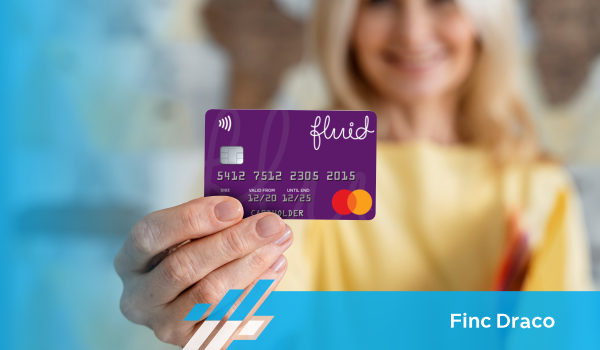
Practical Guide, Strategies and Expert Insights
While the Fluid Credit Card is often marketed as a simple credit-builder product, using it effectively requires more than just occasional spending. In practice, the card functions best when it becomes part of a structured financial strategy.
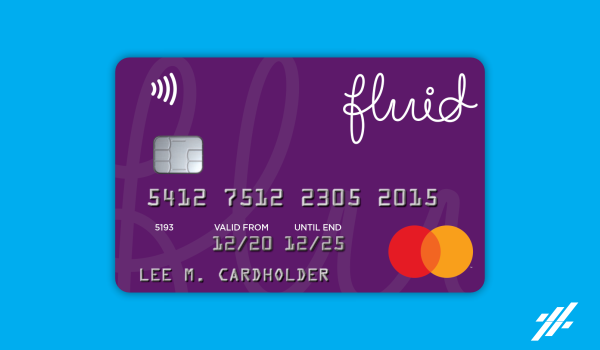
Individuals who treat it purely as emergency credit rarely see meaningful improvements in their credit profile. Those who use it methodically often notice measurable changes in their credit score within 6 to 12 months. Understanding how to manage the account properly can therefore make the difference between simply owning a credit card and genuinely improving financial credibility.
Step-by-Step Guide to Using the Fluid Credit Card
1. Start With Small, Predictable Purchases
One of the most effective strategies is to link the card to routine monthly expenses. These may include:
- Streaming subscriptions
- Fuel purchases
- Weekly grocery shopping
- Mobile phone bills
Keeping transactions small ensures the balance remains manageable while still demonstrating active usage.
A practical example comes from a typical scenario observed among UK credit-builder users. Daniel, a warehouse supervisor from Leeds, used his Fluid card exclusively for petrol and a £12.99 streaming subscription. By paying the balance in full each month, he maintained a utilisation ratio below 25 percent, which helped improve his credit profile after roughly eight months.
2. Maintain Low Credit Utilisation
Credit utilisation refers to the percentage of the available credit limit currently in use. Financial analysts generally recommend staying below 30 percent of the total limit.
For example:
- Credit limit: £600
- Recommended maximum balance: £180
Keeping utilisation low signals responsible borrowing behaviour to credit reference agencies such as Experian, Equifax and TransUnion.
Many new cardholders overlook this detail and unintentionally harm their credit score by using too much of their available limit.
3. Always Pay On Time
Payment history remains the most significant factor influencing UK credit scores.
Even a single late payment can remain on a credit report for up to six years, potentially offsetting months of positive behaviour.
A common approach among experienced credit users is to set up a Direct Debit for the full balance each month. This ensures:
- No missed payments
- No interest charges
- Continuous positive payment history
The Fluid account dashboard also allows manual payments, but automated payments provide stronger protection against accidental delays.
Practical Credit-Building Timeline
Although individual results vary, many cardholders experience a gradual improvement pattern:
Month 1–3: Credit activity begins appearing on reports
Month 4–6: Consistent payments strengthen payment history
Month 7–12: Noticeable improvement in credit score
After 12 months: Potential eligibility for mainstream credit cards
It is important to note that credit improvement rarely happens overnight. The process depends heavily on consistency.
Lesser-Known Tips That Improve Results
Financial advisers often share a few industry insights that are rarely mentioned in promotional materials.
Use the card at least once every month
Inactive accounts provide little value for credit scoring models. Even a £10 purchase can help maintain account activity.
Avoid withdrawing cash
Cash advances on credit cards usually incur higher interest rates and additional fees. They may also signal higher risk behaviour to lenders.
Request credit limit reviews strategically
After roughly nine months of perfect payment history, some users successfully request credit limit increases. A higher limit can lower utilisation ratios and strengthen credit metrics.
However, increases should only be requested if spending remains controlled.
Frequently Asked Questions
Does applying for the Fluid Credit Card affect my credit score?
The eligibility checker uses a soft search, which does not affect your credit score. A full credit check only occurs if you proceed with the application.
What credit score is typically required?
There is no fixed score threshold, but the card is designed for individuals with fair or limited credit histories who may struggle to obtain traditional credit cards.
Can the card help rebuild credit after missed payments?
Yes, consistent on-time payments and responsible usage can gradually rebuild a damaged credit profile.
Is the interest rate higher than standard credit cards?
Yes. Credit-builder cards generally have higher APRs because they are offered to higher-risk borrowers.
Can I upgrade to a better credit card later?
Many users transition to lower-interest credit cards after demonstrating responsible usage for 12 to 18 months.
What happens if I miss a payment?
Missing a payment can result in late fees and negative reporting to credit agencies, which may damage your credit score.
Does the card offer rewards or cashback?
The Fluid Credit Card focuses primarily on credit improvement rather than rewards.
Can I manage the account online?
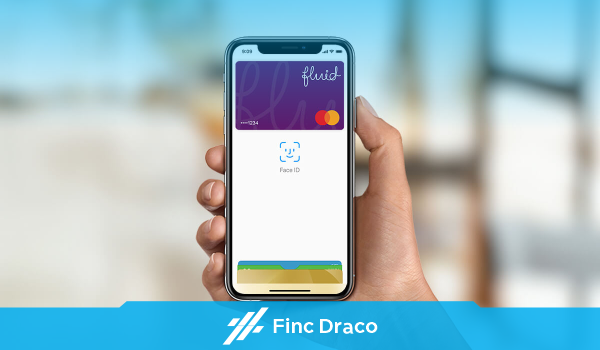
Yes. Cardholders can monitor transactions, payments and statements through the online account portal.
Is there a minimum monthly payment?
Yes. Like most credit cards, a minimum payment is required each month if the balance is not paid in full.
Can the credit limit increase automatically?
Yes. Some customers receive automatic credit limit reviews based on responsible usage.
How to Maximise the Long-Term Value
The real advantage of the Fluid Credit Card lies not in the card itself, but in what it enables.
When used correctly, it can act as a financial stepping stone toward better borrowing options. Once a stronger credit profile is established, cardholders may qualify for:
- Lower interest credit cards
- Personal loans with improved rates
- Mortgage approvals with better terms
In other words, the card functions less like a long-term financial product and more like a tool for rebuilding trust with lenders.
Alternatives Worth Considering
Although the Fluid Credit Card is widely used, it is not the only option available in the UK credit-builder market.
Common alternatives include:
- Aqua Classic Credit Card
- Capital One Classic Credit Card
- Vanquis Credit Builder Card
Each offers similar credit-building potential, though their eligibility criteria and small perks differ slightly.
Comparing options before applying is always recommended.
Final Recommendation
For individuals with limited or damaged credit history in the United Kingdom, the Fluid Credit Card provides a structured opportunity to rebuild financial credibility. Its approval criteria are more accessible than many mainstream credit cards, and its straightforward design encourages responsible borrowing.
However, the card delivers the most value when used strategically. Small purchases, low utilisation and consistent monthly payments transform it from a basic credit product into a practical stepping stone toward stronger financial opportunities.

 The American Express Preferred Rewards Gold Credit Card <p class='sec-title' style='line-height: normal; font-weight: normal;font-size: 16px !important; text-align: left;margin-top: 8px;margin-bottom: 0px !important;'>Earn high-value travel rewards and dining points with the American Express Preferred Rewards Gold Credit Card.</p>
  The American Express Platinum Cashback Credit Card <p class='sec-title' style='line-height: normal; font-weight: normal;font-size: 16px !important; text-align: left;margin-top: 8px;margin-bottom: 0px !important;'>A detailed look at how UK cardholders can extract the highest possible value from the American Express Platinum Cashback Credit Card</p>
  The ASDA Money Cashback Credit Card <p class='sec-title' style='line-height: normal; font-weight: normal;font-size: 16px !important; text-align: left;margin-top: 8px;margin-bottom: 0px !important;'>How to apply, maximise cashback rewards, and use the ASDA Money Cashback Credit Card strategically for everyday spending in the UK.</p>